

Diversity in Digital Marketing: Complete Expert Guide
Did you know that brands with the most diverse marketing campaigns are 35 percent more likely to see better financial returns than their competitors? This growing connection between inclusion and customer loyalty makes diversity in digital marketing incredibly valuable. By reflecting real life experiences and identities, marketers can build trust and engage wider audiences. These strategies offer new ways to create meaningful relationships and ensure every voice feels heard online.
Table of Contents
- Defining Diversity in Digital Marketing Today
- Types of Diversity in Online Campaigns
- How Diversity Improves Email Engagement
- Implementing Inclusive Marketing Strategies
- Common Pitfalls and How to Avoid Them
Key Takeaways
| Point | Details |
|---|---|
| Emphasize Genuine Representation | Diversity in digital marketing requires authentic connections, moving beyond surface-level inclusion to understanding diverse cultural experiences. |
| Incorporate Diverse Perspectives | Effective strategies demand inclusive messaging, segmented audience approaches, and representative visuals to resonate with various demographics. |
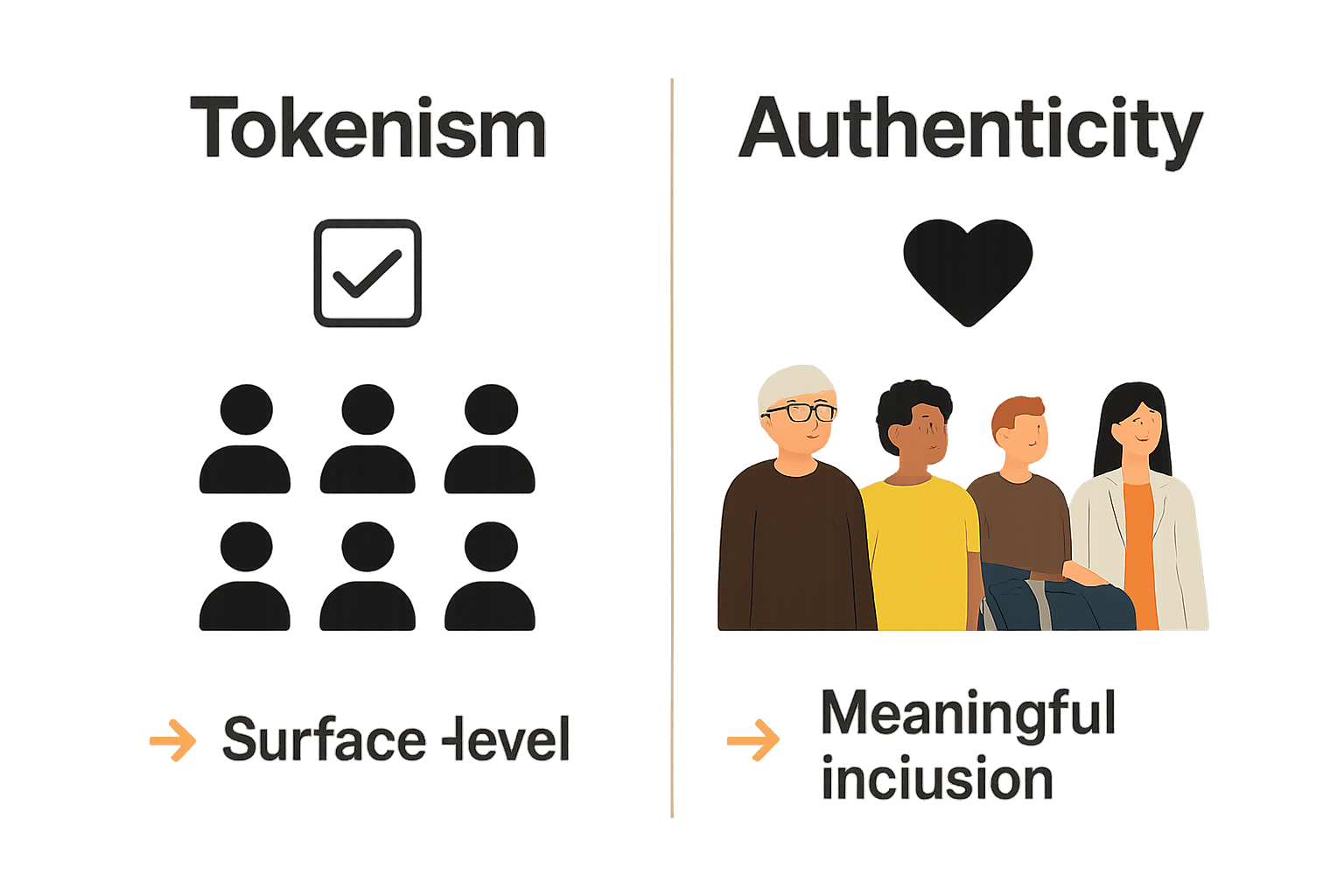
| Avoid Tokenism | Brands should steer clear of superficial diversity efforts that can harm relationships with targeted audiences by lacking real context and meaning. |
| Commit to Continuous Improvement | Building inclusivity is an ongoing journey that involves feedback, training in cultural competence, and regular audits of marketing practices. |
Defining Diversity in Digital Marketing Today
In the rapidly evolving digital landscape, diversity in digital marketing represents a strategic approach that transcends traditional marketing boundaries. According to Wikipedia, diversity marketing is a paradigm that views marketing communications as a powerful mechanism to connect with various individuals by acknowledging and addressing the unique cultural attributes of different groups.
This approach goes beyond simple representation. It’s about creating meaningful connections that reflect the rich tapestry of human experience. ArXiv research highlights the growing concerns about cultural diversity in digital technologies, emphasizing the critical need for marketing strategies that genuinely understand and represent diverse audiences.
Key characteristics of diversity in digital marketing include:
- Recognizing and respecting cultural nuances
- Developing inclusive messaging that resonates across different demographic groups
- Ensuring visual and narrative representations reflect real-world diversity
- Creating marketing campaigns that feel authentic and meaningful
Modern digital marketing demands more than surface-level diversity. It requires a deep, genuine commitment to understanding and representing the multifaceted experiences of different communities. By integrating insights from audience segmentation, brands can develop more sophisticated, empathetic marketing approaches that truly connect with diverse consumer groups.
Types of Diversity in Online Campaigns
Online marketing campaigns increasingly recognize the importance of representing diverse perspectives and experiences. AMIC research highlights a critical challenge in digital advertising: the persistent lack of diverse representation, which often includes underrepresentation of certain races, reinforcement of stereotypes, and limited portrayal of body types.
Demographic Diversity encompasses multiple dimensions beyond traditional marketing approaches. These include:
- Racial and ethnic representation
- Gender identity and expression
- Age diversity
- Disability inclusion
- Socioeconomic backgrounds
- Sexual orientation
Moreover, academic research from Repositori demonstrates how fashion brands have evolved their online advertising imagery between 2010 and 2019, revealing nuanced trends in ethnic diversity representation. This research underscores the critical need for brands to move beyond tokenistic representations towards genuine, meaningful inclusion.

When developing personalized email campaigns, brands must consider intersectional approaches that recognize the complex, multifaceted nature of human identity. Successful diversity in online campaigns isn’t about checking boxes—it’s about creating authentic connections that reflect the rich complexity of real human experiences.
Here’s a comparison of key types of diversity represented in online marketing campaigns:
| Type of Diversity | Description | Key Considerations |
|---|---|---|
| Racial & Ethnic | Representation of various backgrounds | Avoid stereotypes Show authenticity |
| Gender Identity & Expression | Inclusion beyond male/female norms | Respect individual identities |
| Age | Featuring different life stages | Avoid ageism Be relatable |
| Disability Inclusion | Visibility of persons with disabilities | Show real experiences Avoid tokenism |
| Socioeconomic Background | Showing varied economic stories | Portray real situations |
| Sexual Orientation | Inclusion of LGBTQ+ perspectives | Use supportive, affirming language |
How Diversity Improves Email Engagement
Diversity in email marketing is more than a trend—it’s a strategic approach to building genuine connections with audiences. About DCI research highlights that promoting diversity and inclusion can significantly enhance engagement by creating a sense of belonging among diverse consumer groups.
Email Engagement Strategies that leverage diversity include:
- Crafting personalized content that reflects multiple cultural perspectives
- Using inclusive language that speaks to varied audience experiences
- Featuring diverse representation in visual imagery
- Segmenting audiences with nuanced, respectful approaches
- Creating content that celebrates different cultural narratives
Creative Noggin research further emphasizes that incorporating diverse perspectives can lead to increased engagement by authentically reflecting the varied backgrounds of target audiences. This means moving beyond surface-level representation to develop meaningful, resonant communication strategies.
When designing email campaign best practices, brands must recognize that true diversity goes beyond demographic checkboxes. It’s about creating a narrative that makes every subscriber feel seen, understood, and valued—transforming email marketing from a transactional tool to a platform for genuine human connection.
Implementing Inclusive Marketing Strategies
Building truly inclusive marketing strategies requires a comprehensive approach that goes far beyond superficial representation. GCS research emphasizes the critical importance of avoiding stereotypical representations and creating content through diverse teams that authentically reflect the richness of target audiences.
Strategic Implementation Steps for inclusive marketing include:
- Conducting comprehensive audience research
- Building diverse internal and external creative teams
- Developing nuanced, culturally sensitive messaging
- Implementing feedback loops from diverse community perspectives
- Regularly auditing marketing materials for unconscious bias
- Training teams in cultural competency and inclusive communication
About DCI research further highlights the significance of expanding organizational expertise through strategic partnerships and actively promoting diversity, equity, and inclusion within marketing structures. This means creating systemic changes that go beyond individual campaigns.
When developing omnichannel marketing approaches, brands must recognize that true inclusivity is an ongoing journey of learning, listening, and intentional representation. It’s about creating marketing ecosystems where every voice feels valued, heard, and meaningfully integrated into the brand narrative.
Common Pitfalls and How to Avoid Them
GCS research reveals critical insights into the most common missteps in diverse marketing: brands frequently fall into the trap of creating superficial, stereotypical representations that fail to capture the true complexity of human experiences. These shallow attempts at diversity can actually do more harm than good, alienating the very audiences they aim to connect with.
Key Diversity Marketing Pitfalls include:
- Tokenistic representation without genuine inclusion
- Using diverse imagery without meaningful context
- Relying on outdated or harmful stereotypes
- Speaking for communities instead of amplifying their voices
- Treating diversity as a checkbox exercise
- Failing to involve diverse perspectives in creative processes
AMIC research underscores the pervasive problem of negative stereotyping in online advertising, emphasizing that true inclusivity requires challenging traditional portrayals and developing a more nuanced approach to representation. This means going beyond surface-level diversity to create authentic, meaningful connections.
When developing ways to increase online sales, brands must approach diversity as a fundamental strategy, not a marketing tactic. Authentic representation requires continuous learning, genuine listening, and a commitment to amplifying marginalized voices—transforming marketing from a monologue to a meaningful dialogue.
Elevate Your Email Marketing with Authentic Diversity
The challenge of truly embracing diversity in digital marketing is more than just showing different faces. It requires crafting messages that resonate deeply across various cultural, age, and identity segments while avoiding superficial or tokenistic approaches. If you want your brand to connect authentically and avoid common pitfalls like stereotypes or shallow representation, you need an email marketing partner who understands the nuances of inclusive audience segmentation and personalized messaging.
At Take Action, we specialize in turning these complex diversity goals into effective, automated email campaigns that genuinely engage your audience. By combining human expertise with AI-driven insights, we help brands segment their lists thoughtfully, develop inclusive content, and set up automated flows such as welcome series and abandoned cart reminders that reflect your brand’s commitment to true inclusion.
Ready to transform your email marketing into a powerful channel that respects and celebrates diversity for measurable growth?
Discover our proven strategies for personalized email campaigns and learn how to implement email campaign best practices that increase open rates and foster deeper connections.
Act now to lead your audience experience with authenticity. Visit Take Action and let us help you build inclusive, revenue-driving email marketing that reflects the real world. Your diverse audience deserves email campaigns that do more than communicate - they truly connect.
Frequently Asked Questions
What is diversity in digital marketing?
Diversity in digital marketing refers to the strategic approach of connecting with various audiences by acknowledging and addressing their unique cultural attributes. It involves creating authentic messaging that resonates across different demographic groups, ensuring inclusive representations.
How does diversity improve email engagement?
Diversity enhances email engagement by fostering a sense of belonging among varied audiences. It involves crafting personalized content, using inclusive language, and featuring diverse imagery, which helps engage subscribers by making them feel seen and valued.
What are some key types of diversity to consider in online marketing campaigns?
Key types of diversity in online marketing include racial and ethnic representation, gender identity and expression, age diversity, disability inclusion, socioeconomic backgrounds, and sexual orientation. Each of these aspects plays a critical role in creating authentic marketing materials.
What are common pitfalls to avoid in diversity marketing?
Common pitfalls include tokenistic representation, using diverse imagery without context, relying on stereotypes, and treating diversity as a checkbox exercise. Brands should aim for genuine inclusivity through authentic representation and involvement of diverse perspectives in creative processes.
Recommended
- What is Omnichannel Marketing? Understanding Its Importance | Take Action Blog | Take Action
- Influencer Marketing Explained: 2025 Guide for Business Growth | Take Action Blog | Take Action
- Understanding Embracing Digital Transformation for Brands | Take Action Blog | Take Action
- Scaling Digital Marketing: Strategies for 2025 Success | Take Action Blog | Take Action