

Email Frequency Best Practices for Maximum Engagement
Most american businesses risk losing subscribers when they ignore the fine balance between too many and too few emails. Studies show that sending just one email per week can maximize engagement without pushing people away. Finding the right frequency means considering not only your unique audience but also their ever-changing habits. This guide explains proven ways to set, test, and refine your email timing so your subscribers stay interested and your email list stays strong.
Table of Contents
- Step 1: Define Your Email Frequency Goals
- Step 2: Segment Audiences For Tailored Frequency
- Step 3: Analyze Past Performance Data
- Step 4: Test And Adjust Email Timing
- Step 5: Monitor Engagement And Unsubscribe Rates
- Step 6: Refine Frequency Based On Results
Quick Summary
| Key Insight | Explanation |
|---|---|
| 1. Set clear email frequency goals | Aim for optimal engagement by sending emails weekly; analyze open and click rates for adjustment. |
| 2. Segment your email audience | Tailor email frequency by grouping subscribers based on behaviors and demographics for better relevance. |
| 3. Analyze past performance consistently | Review metrics like open rates and conversions to refine email strategies and performance over time. |
| 4. Test different send times | Experiment with various timing for sending emails to identify when your audience engages the most. |
| 5. Monitor engagement and unsubscribe rates | Keep track of these metrics to identify issues and adjust your strategies for better subscriber retention. |
Step 1: Define your email frequency goals
Defining your email frequency goals requires strategic thinking about your audience’s preferences and engagement patterns. According to research from irjmets, the optimal email frequency is typically once per week, which helps balance consistent communication with preventing subscriber fatigue.
To establish your email frequency goals, start by analyzing your current subscriber data. Look closely at metrics like open rates, click through rates, and unsubscribe percentages. These indicators will reveal how your audience responds to your current email cadence. The key is finding a sweet spot where you remain top of mind without overwhelming your subscribers. ijsr suggests using cohort based strategies to model user behavior and understand nuanced engagement patterns.
A practical approach is to segment your audience and test different frequencies for each group. Begin with a baseline of one email per week and gradually adjust based on subscriber interactions. Monitor your metrics closely and be prepared to pivot if you notice declining engagement. Remember that the right frequency varies by industry, audience demographics, and the type of content you deliver.
Pro tip: Always include an easy unsubscribe option and allow subscribers to select their preferred email frequency during signup. This gives them control and can significantly reduce unsubscribe rates.
Step 2: Segment audiences for tailored frequency
Segmenting your audience allows you to create more precise and effective email marketing strategies tailored to specific subscriber groups. ijcesen highlights the power of AI and predictive analytics in enhancing customer segmentation to optimize engagement and conversion rates.
To begin segmenting your audience, analyze key behavioral and demographic characteristics. Research from sciencedirect recommends using the Recency, Frequency, and Monetary (RFM) features as a foundational approach to categorizing customers. Consider factors like purchase history, email engagement levels, website interactions, and customer lifecycle stage. For instance, you might create segments such as new subscribers, frequent buyers, occasional purchasers, and at risk customers.
Start by implementing basic segmentation strategies within your email platform. Group subscribers based on clear criteria like purchase frequency, average order value, or engagement with previous email campaigns. More advanced segmentation can involve tracking specific behaviors like product preferences, browsing history, or response to previous email frequencies. The goal is to deliver content and communication cadence that feels personalized and relevant to each specific group.
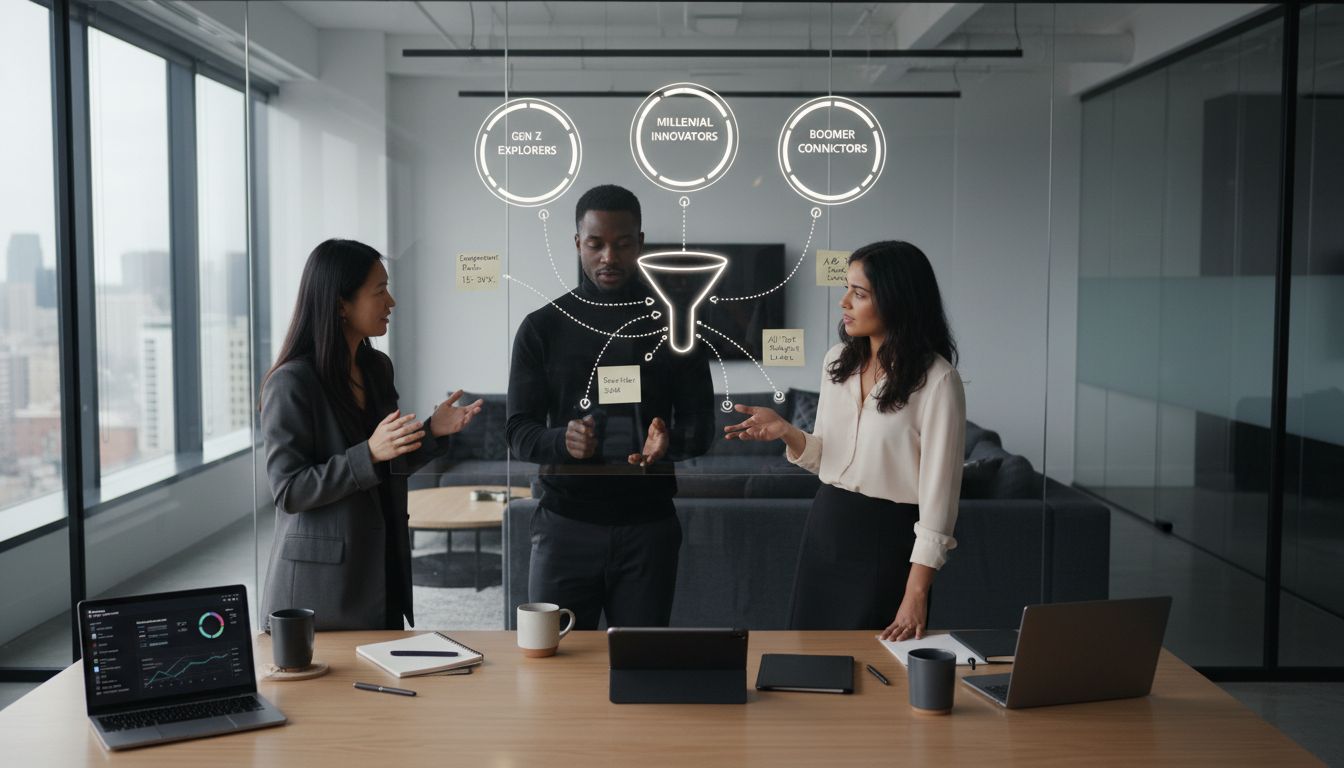
Pro tip: Use audience targeting strategies to refine your segmentation approach and ensure your email frequency resonates with each unique subscriber group. Continuously test and adjust your segments to maintain optimal engagement levels.
Step 3: Analyze past performance data
Analyzing your past email marketing performance is crucial for understanding and improving your email frequency strategy. According to ijsr, continuous testing and optimization of campaign data are essential for developing effective email marketing approaches.
Begin by gathering comprehensive performance metrics from your previous email campaigns. irjmets emphasizes the importance of tracking key performance indicators (KPIs) such as open rates, click through rates, conversion rates, and unsubscribe rates. Look for patterns in these metrics that reveal how different subscriber segments respond to various email frequencies. Pay close attention to metrics like time spent reading emails, click engagement, and the overall interaction with your content.
Create a comprehensive performance dashboard that allows you to compare email campaign results across different segments and frequencies. Break down your analysis by factors such as subscriber demographics, send times, email content types, and previous engagement levels. This granular approach will help you identify which frequency works best for different audience segments. For example, you might discover that new subscribers prefer more frequent communications, while long term customers appreciate less frequent but more targeted emails.
Pro tip: Implement a systematic approach to tracking and reviewing your email performance. Set up regular review periods monthly or quarterly to ensure you are continuously refining your email frequency strategy based on the most recent data.
Step 4: Test and adjust email timing
Testing and adjusting your email timing is a critical strategy for maximizing subscriber engagement. ijsr emphasizes the importance of systematically testing different send times and carefully analyzing the resulting engagement metrics to optimize campaign performance.
To effectively test email timing, start by creating a series of controlled experiments across different subscriber segments. irjmets recommends exploring various send times to identify when your audience is most likely to interact with your emails. Begin by splitting your audience into test groups and sending emails at different times of the day and week. Track key metrics such as open rates, click through rates, and conversion rates for each timing variation.
Implement a structured approach to your timing experiments. Consider factors like time zones, subscriber occupation, and typical daily schedules. For example, B2B audiences might engage more during business hours, while consumer audiences may respond better to evening or weekend communications. Use your email marketing platform’s A/B testing features to systematically compare different timing strategies.
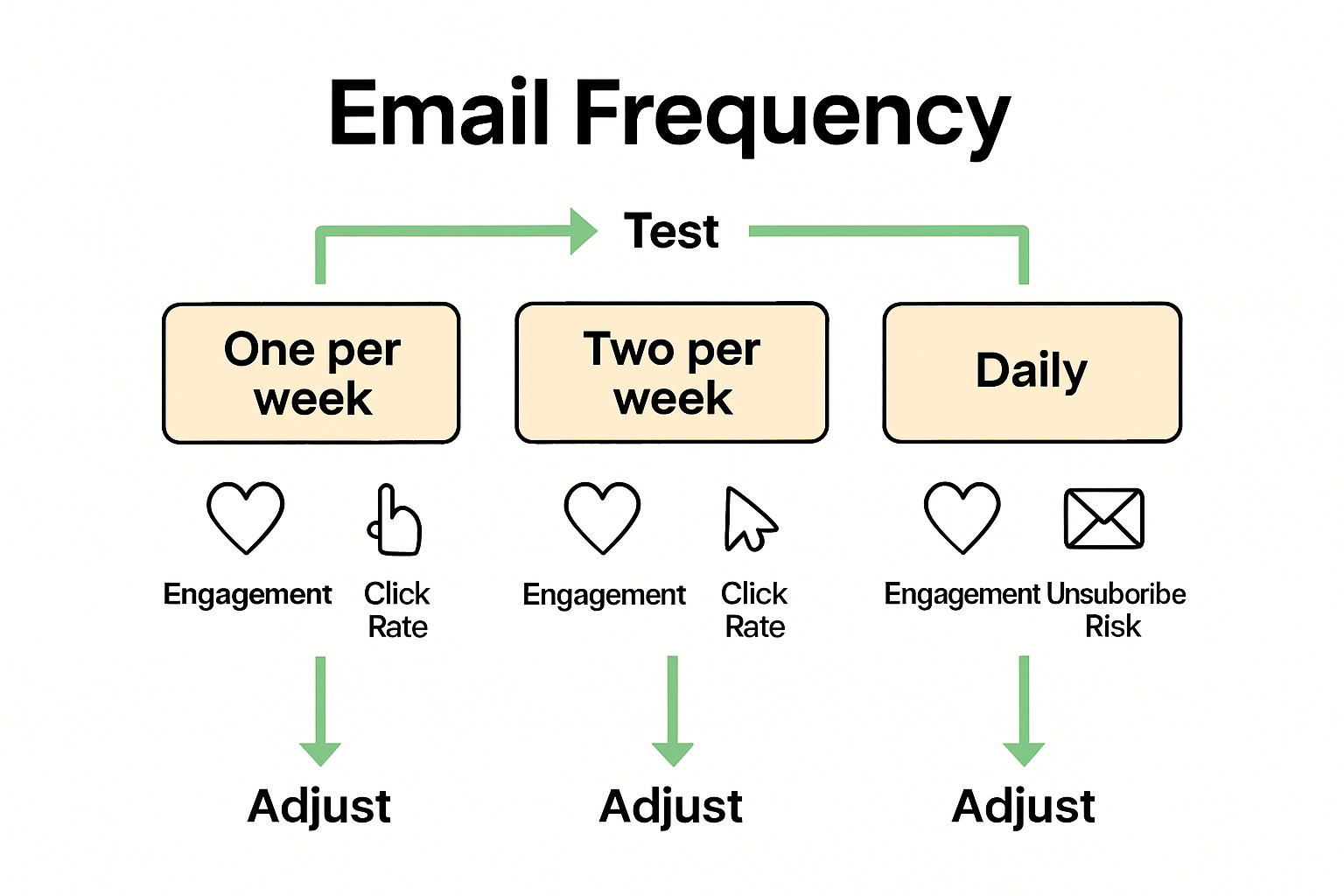 email automation tools can help streamline this process and provide detailed insights into optimal sending times.
Pro tip: Keep detailed records of your timing tests and be prepared to continuously refine your strategy. What works today might change as your audience evolves, so maintain a flexible and data driven approach to email timing.
Step 5: Monitor engagement and unsubscribe rates
Tracking your email marketing performance requires a comprehensive approach to understanding subscriber interactions and potential disengagement. ijsr emphasizes the necessity of monitoring engagement metrics and unsubscribe rates to assess the health of your email campaigns and make critical adjustments.
Develop a robust system for tracking key performance indicators that go beyond surface level metrics. irjmets highlights the importance of tracking unsubscribe rates alongside engagement metrics to ensure your email strategy remains effective. Focus on metrics such as open rates, click through rates, conversion rates, and the rate at which subscribers are leaving your list. Pay special attention to the reasons behind unsubscribes by analyzing patterns in subscriber behavior, content relevance, and email frequency.
Set up automated reporting and alerts to quickly identify potential issues in your email marketing strategy. email campaign best practices recommend creating a dashboard that provides real time insights into your email performance. Consider establishing benchmark thresholds for key metrics, such as maintaining an unsubscribe rate below 0.5% or ensuring a minimum open rate of 20%. When these metrics start to drift, it is a clear signal to reassess and adjust your email frequency and content strategy.
Pro tip: Implement a regular review process where you analyze these metrics monthly. Look for trends, segment your findings, and be prepared to make data driven decisions that keep your email marketing strategy responsive and engaging.
Step 6: Refine frequency based on results
Refined email frequency is an ongoing process of strategic adjustment based on comprehensive performance data. ijsr advocates for continuous refinement of email frequency by closely aligning strategies with subscriber preferences and documented behavioral patterns.
Begin your refinement process by creating a systematic approach to analyzing campaign results. irjmets recommends continuously examining campaign metrics to fine tune your email frequency and minimize subscriber fatigue. Look for nuanced signals in your data such as gradual decreases in open rates, increased unsubscribe rates, or reduced click through engagement. These indicators suggest that your current email frequency may need adjustment. Consider creating multiple frequency variations for different subscriber segments based on their unique interaction patterns.
Implement a granular approach to frequency refinement by developing segment specific strategies. Klaviyo email automation can help you create dynamic sending schedules that automatically adapt to individual subscriber behaviors. For high engagement segments, you might maintain or slightly increase frequency, while less responsive groups might benefit from reduced communication frequency. The goal is to create a personalized experience that feels relevant and valuable to each subscriber.
Pro tip: Treat email frequency refinement as an iterative process. Small incremental changes backed by data will yield more reliable results than dramatic shifts in your email strategy.
Unlock Your Email Marketing Potential with Tailored Frequency Strategies
Struggling to find the perfect email frequency that keeps your subscribers engaged without overwhelming them The key challenges highlighted in the article focus on balancing strategic cadence with personalized segmentation and continuous performance analysis at scale. Issues like subscriber fatigue, fluctuating open rates, and unsubscribe spikes reveal how vital it is to adopt a data-driven and adaptive approach to email timing and content customization.
Take Action specializes in helping ecommerce brands master these exact pain points through customized Klaviyo automation, advanced segmentation, and strategic campaign design. By combining AI insights with human expertise, we craft automated flows and email schedules that optimize open and click rates while maintaining subscriber satisfaction. Allow us to turn your email list into a high-performing revenue channel that evolves with your audience.
Ready to transform your email marketing with proven frequency optimization and automation methods
Start today by partnering with Take Action and gain access to expert guidance for your email flow setup, ongoing segmentation refinement, and responsive campaign strategy. Don’t wait for declining engagement to slow your growth visit Take Action to automate your customer retention and boost revenue with smarter email frequency management now.
Frequently Asked Questions
How often should I send emails to maximize engagement?
Aim to send emails about once a week, as this frequency balances regular communication and prevents subscriber fatigue. Start with this baseline and adjust based on your audience’s engagement metrics over time.
What metrics should I analyze to determine the right email frequency?
Focus on metrics like open rates, click-through rates, and unsubscribe percentages to gauge your email performance. Track these indicators regularly to identify trends and refine your email frequency strategy within 30 days.
How can I segment my audience for tailored email frequency?
Segment your audience by analyzing key characteristics like purchase history and engagement levels. Create groups such as new subscribers and frequent buyers to tailor your email frequency for each segment, testing different frequencies to see what works best.
What should I do if I notice a decline in engagement?
If you see declining engagement, review your email metrics for patterns such as lower open rates or unsubscribes. Adjust your email frequency or content strategy immediately to better align with your subscribers’ preferences, aiming for improvements within weeks.
How can I test different email send times for better engagement?
Run controlled experiments by sending emails at various times to different subscriber segments. Monitor the engagement metrics closely to identify the optimal send times, refining your timing strategy based on user response over the following campaigns.
Recommended
- 10 Creative Content Ideas for Newsletters to Boost Engagement | Take Action Blog | Take Action
- 7 Creative Newsletter Design Inspiration Ideas for Brands | Take Action Blog | Take Action
- Email Campaign Best Practices for 2025 Success | Take Action Blog | Take Action
- 7 Proven Email Sequence Examples to Boost Sales | Take Action Blog | Take Action
- El resurgimiento del correo electrónico: ¿un canal olvidado?