

Business Ethics: Why They Matter for Ecommerce Brands
Over 80 percent of American consumers say they trust online brands that consistently demonstrate ethical behavior. In a world where a single click can make or break a business, strong ethics set the foundation for lasting relationships between companies and their customers. This article explains why business ethics matter in ecommerce and shows how they shape trust, loyalty, and success for every American online brand.
Table of Contents
- Defining Business Ethics in Ecommerce
- Types of Business Ethics Relevant to Online Brands
- Core Principles Driving Ethical Decisions
- Impact on Customer Trust and Retention
- Risks of Unethical Behavior for Brands
Key Takeaways
| Point | Details |
|---|---|
| Importance of Business Ethics | Business ethics in ecommerce are vital for establishing trust and fostering long-term customer relationships through transparency and fairness. |
| Key Ethical Considerations | Online brands must prioritize data privacy, accurate product representations, and transparent pricing to maintain consumer trust. |
| Risks of Unethical Behavior | Unethical practices can lead to reputation damage, legal vulnerabilities, and loss of customer loyalty, making ethical conduct essential for brand sustainability. |
| Strategic Advantage | Ethical ecommerce practices not only comply with regulations but serve as a competitive differentiator, enhancing brand reputation and customer retention. |
Defining Business Ethics in Ecommerce
Business ethics in ecommerce represent the fundamental principles and moral standards that guide online commercial interactions. At their core, these ethics encompass transparent, honest, and fair practices that protect both businesses and consumers in digital marketplaces. When properly implemented, ethical standards become the foundation of trust that transforms casual online transactions into lasting customer relationships.
In the digital realm, business ethics extend far beyond traditional brick-and-mortar expectations. They include critical considerations like data privacy, responsible marketing, fair pricing, accurate product representations, and maintaining customer confidentiality. Sustainability in business practices increasingly plays a significant role in defining these ethical standards, with consumers demanding greater corporate responsibility and transparency.
Drawing insights from academic research, ethical ecommerce practices fundamentally revolve around core principles of mutual consent, honesty, and justice. These principles were highlighted in a comprehensive study analyzing online buying and selling behaviors, which emphasized the critical importance of transparent interactions. The research underscored that successful digital commerce depends not just on technological capabilities, but on building genuine trust through consistently ethical conduct.
Key ethical considerations for ecommerce brands include:
- Protecting customer personal and financial data
- Providing clear, accurate product descriptions
- Offering transparent pricing and shipping information
- Maintaining robust return and refund policies
- Respecting customer privacy and communication preferences
By prioritizing these ethical standards, ecommerce brands can differentiate themselves in an increasingly competitive digital marketplace, transforming transactional interactions into meaningful, trust-based customer relationships.
Types of Business Ethics Relevant to Online Brands
Online brands navigate a complex ethical landscape that extends far beyond traditional business practices. Business ethics in the digital marketplace encompass multiple interconnected dimensions, each critical to maintaining trust, integrity, and sustainable customer relationships. These ethical frameworks help ecommerce brands establish credibility and differentiate themselves in an increasingly competitive digital ecosystem.
One fundamental type of business ethics centers on data privacy and protection. With digital interactions generating massive amounts of personal information, online brands must implement robust mechanisms to safeguard customer data. Understanding the importance of brand voice plays a crucial role in communicating these ethical commitments transparently, ensuring customers feel secure and respected.

Research highlights the critical ethical considerations in digital commerce, particularly around marketing practices and regulatory compliance. Legal and ethical risk management strategies for online businesses emphasize the need for comprehensive approaches that harmonize technological capabilities with ethical standards. Moreover, emerging research on digital marketing practices reveals the importance of transparent disclosure, especially in areas like affiliate marketing and sponsored content.
Key types of business ethics for online brands include:
- Transparency Ethics: Providing clear, honest product information
- Data Privacy Ethics: Protecting customer information and securing digital interactions
- Marketing Ethics: Ensuring truthful advertising and avoiding manipulative tactics
- Customer Relationship Ethics: Maintaining fair, respectful engagement practices
- Financial Ethics: Implementing transparent pricing and secure transaction processes
Successful online brands recognize that ethical conduct is not just a compliance requirement but a strategic advantage. By prioritizing these ethical dimensions, ecommerce businesses can build lasting customer trust, enhance brand reputation, and create more meaningful digital interactions.
Core Principles Driving Ethical Decisions
Ethical decision-making in ecommerce is fundamentally built upon a complex framework of principles that guide organizations toward responsible and transparent business practices. Trust emerges as the cornerstone of these ethical principles, representing the fundamental currency of digital interactions. Online brands must consistently demonstrate integrity, reliability, and genuine commitment to customer well-being to establish and maintain meaningful relationships.
Modern research underscores the critical role of trust mechanisms in digital transactions. Policy and reputation-based trust strategies have become increasingly sophisticated, revealing how brands can systematically build credibility through consistent, transparent actions. These trust-building approaches go beyond simple transactional interactions, creating deeper connections that transform customers from one-time buyers into long-term advocates.
Consumer interaction technologies have introduced nuanced ethical considerations that dramatically reshape decision-making frameworks. Consumer trust in digital communication channels demonstrates that factors like empathy, genuine responsiveness, and consistent communication significantly impact ethical perceptions. Brands must now navigate complex emotional landscapes, understanding that every digital touchpoint represents an opportunity to reinforce their ethical commitments.
Key principles driving ethical decisions include:
- Transparency: Complete honesty in product descriptions, pricing, and policies
- Respect: Protecting customer data and individual privacy
- Fairness: Providing equal treatment and unbiased services
- Accountability: Taking responsibility for actions and potential mistakes
- Empathy: Understanding and addressing customer needs genuinely
Successful ecommerce brands recognize that ethical decision-making is not a static concept but a dynamic, evolving process. By embedding these core principles into their operational DNA, organizations can create meaningful connections that transcend traditional business transactions, building sustainable, trust-based relationships with their customers.
Impact on Customer Trust and Retention
The relationship between business ethics and customer retention represents a critical strategic imperative for modern ecommerce brands. Customer trust emerges as the fundamental currency that transforms transactional interactions into lasting, meaningful relationships. When brands consistently demonstrate ethical behavior, they create a powerful psychological connection that transcends simple product exchanges.
Building customer loyalty online requires a nuanced understanding of how ethical practices directly influence consumer perceptions. Research reveals that brand ethicality profoundly impacts customer engagement, with empirical studies demonstrating that customers are increasingly making purchasing decisions based on a company’s demonstrated moral integrity.
Ethical conduct creates a cascading effect on customer retention strategies. When brands prioritize transparency, respect, and genuine customer care, they establish a foundation of trust that encourages repeat purchases and positive word-of-mouth recommendations. Comprehensive research highlights several key mechanisms through which ethical practices enhance customer retention:
- Increased Credibility: Consistently ethical behavior builds long-term reputation
- Emotional Connection: Customers feel valued and understood
- Reduced Purchase Anxiety: Clear, honest practices minimize customer uncertainty
- Competitive Differentiation: Ethical brands stand out in crowded marketplaces
- Long-Term Value Creation: Trust transforms one-time buyers into loyal advocates
Ultimately, business ethics are not just a compliance checklist but a strategic framework for sustainable growth. By embedding ethical principles into every customer interaction, ecommerce brands can create resilient relationships that withstand market fluctuations and competitive pressures.
Risks of Unethical Behavior for Brands
Unethical behavior in ecommerce represents a profound threat to brand sustainability, with potentially devastating consequences that extend far beyond immediate financial losses. Reputation damage can emerge rapidly in the digital landscape, where consumer trust is fragile and information spreads at unprecedented speeds. A single misstep can trigger a cascading series of negative outcomes that can permanently undermine a brand’s market position.
Building brand authority requires consistent ethical conduct, and research reveals the significant risks associated with unethical practices. Undisclosed marketing practices on digital platforms pose substantial risks, particularly in areas like affiliate marketing, where lack of transparency can immediately erode consumer trust and trigger potential legal challenges.
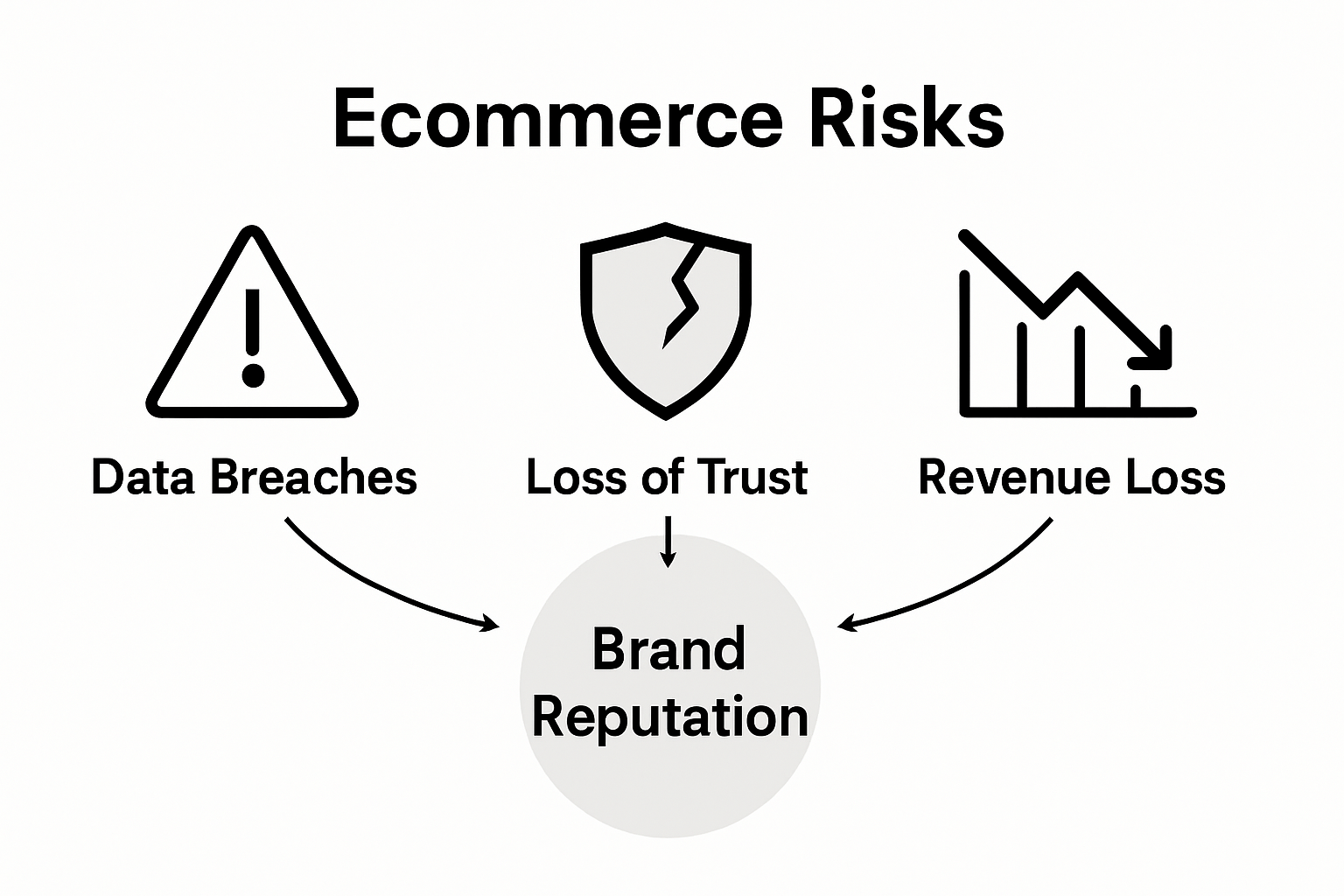
The digital ecosystem amplifies the consequences of unethical behavior through several critical mechanisms. Trust mechanism failures can dramatically accelerate brand erosion, creating scenarios where consumer confidence collapses exponentially. Modern consumers are increasingly sophisticated, with robust digital literacy that allows them to quickly identify and publicly challenge unethical corporate behaviors.
Key risks of unethical behavior include:
- Immediate Reputation Collapse: Rapid public criticism and brand delegitimization
- Legal Vulnerability: Potential regulatory investigations and financial penalties
- Customer Exodus: Dramatic reduction in customer loyalty and retention
- Financial Instability: Decreased investor confidence and market valuation
- Competitive Disadvantage: Loss of market positioning and brand credibility
Successful brands understand that ethical conduct is not optional but a fundamental strategic imperative. By proactively establishing robust ethical frameworks, organizations can transform potential risks into opportunities for demonstrating genuine corporate integrity and building deeper, more meaningful customer relationships.
Elevate Your Ecommerce Brand with Ethical Email Marketing Solutions
Building and maintaining customer trust is essential in ecommerce because ethical practices shape powerful, lasting relationships. The article highlights challenges like protecting customer data, ensuring transparency, and fostering authentic engagement—issues that directly affect how your audience perceives your brand. These pain points require not only strong internal policies but also effective communication channels to consistently reflect your commitment to fairness, respect, and transparency.
At Take Action, we understand that aligning your email marketing strategy with your brand’s ethical values is key to turning trust into tangible growth. Our data-driven, conversion-focused approach leverages automation and segmentation with Klaviyo to craft personalized campaigns that respect customer preferences and build loyalty. From automated welcome flows to abandoned cart recovery and post-purchase nurtures, we help you deliver clear, honest messaging that strengthens customer retention while safeguarding their data and privacy.
Are you ready to transform your ecommerce email marketing with ethical strategies that drive revenue and build lasting trust?

Discover how our tailored services can help you automate retention processes and elevate your brand integrity today. Explore our solutions at Take Action and start building a loyal customer base that values your commitment to business ethics and transparency.
Frequently Asked Questions
What are business ethics in ecommerce?
Business ethics in ecommerce refer to the principles and moral standards that guide online commercial interactions, emphasizing transparent, honest, and fair practices that protect both businesses and consumers.
Why are ethical practices important for ecommerce brands?
Ethical practices are crucial for ecommerce brands as they build customer trust, enhance brand reputation, and differentiate businesses in a competitive market, ultimately transforming transactions into lasting relationships.
How can online brands demonstrate transparency in their practices?
Online brands can demonstrate transparency by providing clear and accurate product descriptions, transparent pricing, robust return policies, and respecting customer privacy and preferences.
What risks do ecommerce brands face from unethical behavior?
Unethical behavior can lead to immediate reputation collapse, legal vulnerabilities, customer exodus, financial instability, and a competitive disadvantage in the market.
Recommended
- Complete Guide to Sustainability in Business | Take Action Blog | Take Action
- SEO Matters: Complete Guide for Ecommerce Brands | Take Action Blog | Take Action
- 7 Branding Mistakes to Avoid for Your Ecommerce Brand | Take Action Blog | Take Action
- Mastering Brand Positioning Strategies for Ecommerce Success | Take Action Blog | Take Action
- The Importance of E-Commerce in Modern Business