

Lead Generation Explained: Driving Ecommerce Growth
Most American businesses know that without strong lead generation, sales can quickly stall online. With digital competition higher than ever, brands risk fading into the background unless they actively attract and engage new customers. In fact, research shows that over 60 percent of American marketers consider lead generation their top priority for ecommerce growth. This guide breaks down proven strategies and practical tips so you can consistently connect with shoppers who actually want to buy.
Table of Contents
- Defining Lead Generation in Ecommerce
- Main Types of Lead Generation Methods
- How Lead Generation Works for Brands
- Essential Lead Generation Strategies and Tools
- Risks, Common Pitfalls, and How to Avoid Them
Key Takeaways
| Point | Details |
|---|---|
| Effective Lead Generation | In ecommerce, successful lead generation combines data insights, tailored content, and engagement tactics to effectively convert visitors into customers. |
| Types of Lead Generation | Businesses should utilize both inbound methods, like content marketing and SEO, and outbound strategies, such as targeted emails and PPC advertising, for comprehensive lead generation. |
| Technological Tools | Utilizing advanced tools like CRM systems and marketing automation platforms is critical for tracking customer interactions and optimizing lead generation efforts. |
| Risk Management | Companies must prioritize ethical practices in lead generation to ensure consumer privacy and focus on attracting high-quality leads that align with business goals. |
Defining Lead Generation in Ecommerce
Lead generation in ecommerce represents the strategic process of identifying and attracting potential customers who are most likely to purchase products or services online. Crucial marketing techniques help businesses transform anonymous web traffic into qualified prospects with genuine purchasing intent.
At its core, lead generation involves systematically capturing consumer interest through targeted digital strategies. According to research from the Federal Trade Commission, lead generation is fundamentally about identifying and cultivating individual consumers who demonstrate potential interest in specific products or services. For ecommerce brands, this means developing sophisticated methods to attract online consumers and effectively convert their initial curiosity into tangible sales.
Successful ecommerce lead generation requires a multifaceted approach that combines data-driven insights, compelling content, and strategic engagement tactics. Sales funnel optimization becomes critical in transforming casual website visitors into committed customers. Key strategies include:
- Creating targeted landing pages with clear value propositions
- Implementing intelligent email capture mechanisms
- Developing personalized retargeting campaigns
- Offering valuable content downloads or exclusive incentives
By understanding and implementing sophisticated lead generation techniques, ecommerce brands can significantly enhance their customer acquisition processes and drive sustainable growth in an increasingly competitive digital marketplace.
Main Types of Lead Generation Methods
Lead generation in ecommerce encompasses a diverse range of strategic methods designed to attract and convert potential customers. According to research, these methods can be broadly divided into inbound and outbound strategies that each play a crucial role in driving online business growth.
Inbound Lead Generation Methods focus on creating valuable content and experiences that naturally draw potential customers toward a brand. These techniques include:
- Content marketing that provides informative and engaging resources
- Search engine optimization (SEO) to improve online visibility
- Social media engagement that builds community and trust
- Webinars and educational resources that demonstrate expertise
Outbound Lead Generation Methods involve more direct approaches to reaching potential customers. These strategies include:
- Targeted email marketing campaigns
- Pay-per-click (PPC) advertising
- Display and retargeting ads
- Cold outreach and direct messaging
Effective ecommerce brands often combine both inbound and outbound techniques to create a comprehensive audience segmentation strategy. By understanding the unique strengths of each method, businesses can develop a nuanced approach that attracts, engages, and converts potential customers across multiple digital channels.
How Lead Generation Works for Brands
Lead generation represents a strategic framework where brands systematically transform potential customers from anonymous website visitors into engaged prospects. Brand awareness strategies play a critical role in this intricate process of attracting and nurturing potential customers through sophisticated digital engagement techniques.
According to research, brands implement lead generation by creating valuable content and experiences specifically tailored to attract and retain potential customer interest. This involves a multi-stage approach that includes:
- Identifying precise target audience demographics
- Developing compelling content that addresses specific customer pain points
- Establishing multiple touchpoints for customer interaction
- Tracking and analyzing potential customer engagement signals
Technological Infrastructure enables brands to execute sophisticated lead generation strategies. Modern brands utilize advanced tools such as customer relationship management (CRM) systems, marketing automation platforms, and detailed analytics to:
- Track potential customer interactions
- Segment audience groups
Through building brand authority, businesses create trust and credibility that transforms initial curiosity into genuine purchasing intent. The most successful brands understand that effective lead generation is not about aggressive sales tactics, but about creating meaningful connections that resonate with potential customers’ needs and aspirations.

Essential Lead Generation Strategies and Tools
Successful lead generation demands a strategic blend of sophisticated techniques and powerful technological tools that work harmoniously to attract and convert potential customers. Increasing conversions requires a comprehensive approach that combines multiple strategies and leverages advanced digital marketing technologies.
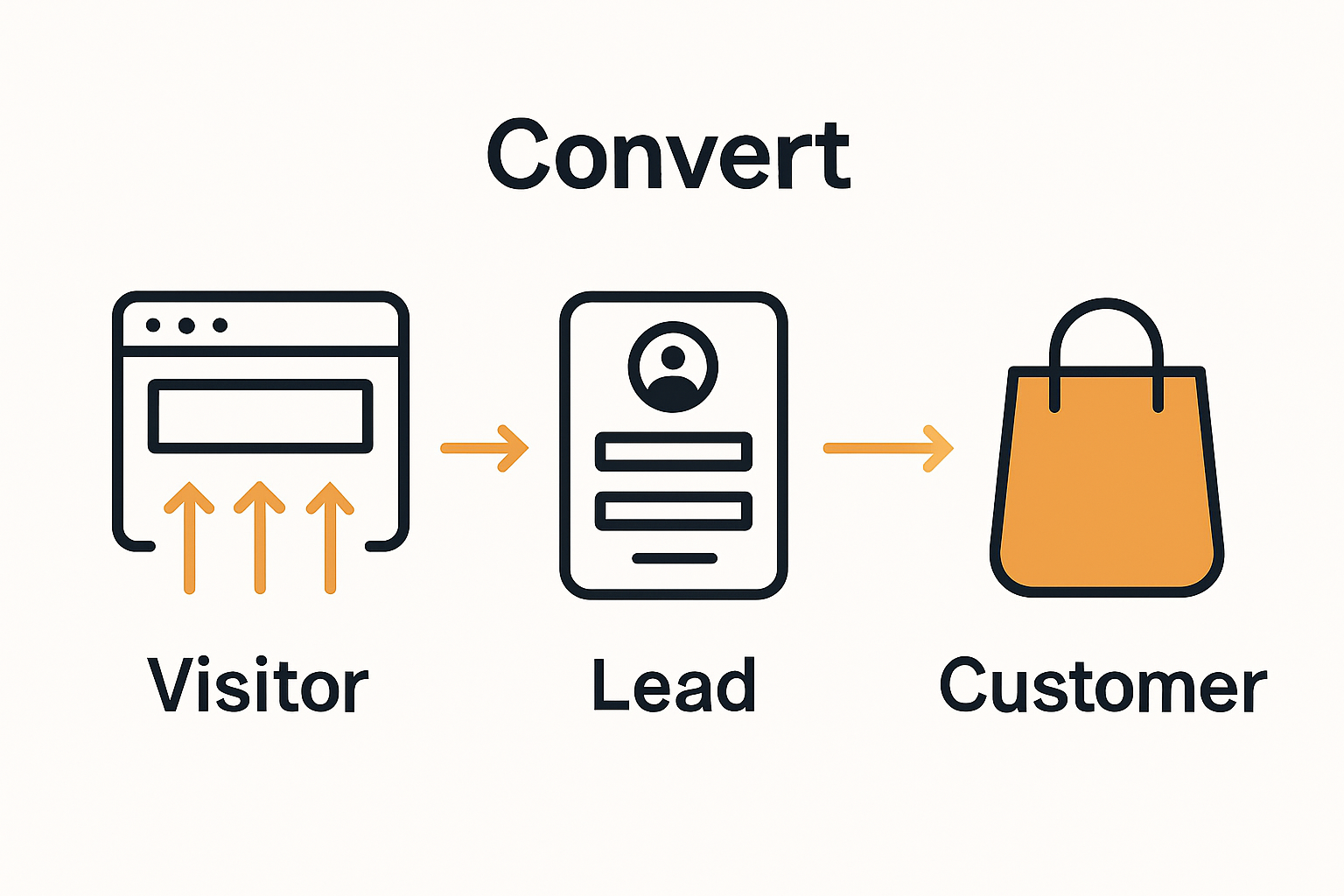
According to research, essential lead generation strategies encompass creating high-quality content, optimizing for search engines, and leveraging social media platforms. These strategies are most effective when supported by robust technological infrastructure designed to track, engage, and nurture potential customer relationships.
Key Lead Generation Strategies include:
- Creating compelling, value-driven content
- Developing targeted search engine optimization (SEO) approaches
- Implementing strategic social media engagement
- Designing personalized email marketing campaigns
- Utilizing retargeting and remarketing techniques
Critical Technological Tools play a pivotal role in executing these strategies. Modern brands typically rely on:
- Customer Relationship Management (CRM) systems
- Marketing automation platforms
- Advanced analytics and tracking tools
- Email marketing software
- Conversion rate optimization tools
The most successful businesses understand that effective email marketing platforms are not just communication channels, but sophisticated ecosystems that enable precise audience targeting, personalization, and continuous optimization of lead generation efforts.
Risks, Common Pitfalls, and How to Avoid Them
Lead generation strategies require careful navigation to prevent costly mistakes that can undermine business growth and customer relationships. Understanding thought leadership marketing becomes crucial in developing approaches that minimize potential risks while maximizing lead generation effectiveness.
Research highlights significant risks in lead generation, particularly around data collection and lead quality management. Businesses must implement robust strategies to protect consumer privacy and ensure the integrity of their lead generation processes.
Common Lead Generation Risks include:
- Collecting excessive or sensitive consumer information
- Attracting unqualified leads that drain resources
- Failing to comply with privacy regulations
- Implementing non-transparent data collection practices
- Neglecting continuous performance analytics
Mitigation Strategies:
- Implement clear, transparent data collection policies
- Develop precise audience targeting mechanisms
- Regularly audit and refine lead generation processes
- Use advanced analytics for continuous optimization
- Prioritize consumer privacy and consent
Successful brands recognize that effective lead generation is not just about quantity, but about cultivating high-quality, ethically obtained leads that genuinely align with their business objectives. By proactively addressing potential pitfalls, businesses can create a sustainable and trustworthy approach to customer acquisition.
Unlock Ecommerce Growth with Expert Lead Generation and Email Marketing
The article highlights the crucial challenge ecommerce brands face in turning casual visitors into qualified leads through data-driven, multi-channel strategies. If your goal is to drive sustainable growth by automating customer retention, boosting engagement, and recovering abandoned carts, then mastering lead generation and email marketing is essential. At Take Action, we specialize in helping brands like yours leverage strategic campaigns, intelligent segmentation, and Klaviyo automations to convert prospects into loyal customers.

Ready to transform your ecommerce lead generation into your strongest growth engine Use our personalized email marketing solutions to increase open rates, optimize customer journeys, and diversify your revenue channels beyond paid advertising. Explore how our email flow setup and tailored automation services can help your brand build meaningful, data-driven connections that turn leads into lasting revenue. Don’t wait to elevate your strategy and capitalize on every lead. Visit Take Action today to start growing smarter and scaling faster.
Frequently Asked Questions
What is lead generation in ecommerce?
Lead generation in ecommerce is the strategic process of identifying and attracting potential customers who are likely to purchase products or services online. It involves capturing consumer interest through targeted digital strategies to convert anonymous web traffic into qualified sales prospects.
What are the main types of lead generation methods?
Lead generation methods can be broadly categorized into inbound and outbound strategies. Inbound methods focus on creating valuable content and experiences to attract customers, while outbound methods involve more direct approaches like targeted email marketing and PPC advertising.
How does lead generation work for brands?
Lead generation works by systematically transforming potential customers from anonymous website visitors into engaged prospects. Brands create valuable content, identify target demographics, and establish touchpoints for customer interaction to nurture interest and drive conversion.
What are some essential strategies for effective lead generation?
Effective lead generation strategies include creating high-quality content, optimizing for search engines (SEO), engaging on social media, and implementing personalized email marketing campaigns. Utilizing technological tools like CRM systems and analytics is also crucial for success.
Recommended
- Increasing Website Visibility for Ecommerce Growth Success | Take Action Blog | Take Action
- 7 Essential Ecommerce Marketing Strategies for Growth | Take Action Blog | Take Action
- SEO Matters: Complete Guide for Ecommerce Brands | Take Action Blog | Take Action
- 7 Must-Read Business Book Recommendations for Ecommerce Growth | Take Action Blog | Take Action
- Pursuitz - Lead generation tutorial for beginners