

Content Creation Marketing Agency: Impact for Ecommerce
Building lasting customer loyalty often feels like chasing a moving target, especially as mid-sized DTC brands expand globally and consumer expectations shift overnight. For Ecommerce marketing managers, finding proven ways to nurture relationships and drive repeat purchases has never been more critical. This guide highlights how embracing a content creation marketing agency and leveraging Klaviyo’s sophisticated automation tools can turn email communication from simple transactions into powerful engines for retention and long-term growth.
Table of Contents
- Defining A Content Creation Marketing Agency
- Core Email Marketing Services For Ecommerce Brands
- Types Of Automation And Campaign Flows Explained
- How Klaviyo Powers Data-Driven Engagement
- Risks, Costs, And Common Mistakes To Avoid
Key Takeaways
| Point | Details |
|---|---|
| Content Creation Agencies Focus on Storytelling | These agencies create engaging narratives that build customer relationships and foster trust, contrasting with traditional interruptive advertising. |
| Email Marketing Enhances Customer Interaction | Sophisticated email strategies convert customer interactions into long-term relationships through personalized, data-driven communications. |
| Automation Optimizes Marketing Efforts | Automation flows enable timely, relevant messages that respond to customer behaviors, streamlining engagement without manual intervention. |
| Risk Management is Crucial | Effective content marketing requires a structured approach to mitigate risks such as poor alignment and resource inefficiencies to enhance ROI. |
Defining a Content Creation Marketing Agency
A content creation marketing agency represents a specialized strategic partner focused on developing, managing, and distributing targeted content for businesses seeking digital engagement. These agencies transform traditional marketing approaches by creating valuable consumer experiences that attract and retain customers through meaningful storytelling.
Content marketing agencies deploy multidisciplinary teams of professionals including strategists, writers, designers, SEO specialists, and digital marketing experts who collaborate to produce compelling narratives aligned with client objectives. Their core mission involves developing comprehensive content strategies that transcend traditional advertising by creating materials that genuinely inform, entertain, and solve customer problems. Unlike traditional advertising that interrupts consumer experiences, these agencies focus on generating customer engagement through relevant content that customers actively seek out.
Their service offerings typically encompass a wide range of strategic content development activities:
- Content strategy development
- Brand storytelling
- SEO-optimized writing
- Multimedia content production
- Performance analytics and optimization
- Cross-channel content distribution
The fundamental goal of these agencies goes beyond mere promotional messaging. They aim to establish meaningful connections between brands and their target audiences by creating valuable, contextually relevant content that builds trust, demonstrates expertise, and nurtures long-term customer relationships.
Here’s a summary comparing content creation marketing agencies and traditional advertising approaches:
| Aspect | Content Creation Agency | Traditional Advertising |
|---|---|---|
| Approach | Storytelling and value creation | Message interruption |
| Audience Engagement | Active and long-term | Passive and short-term |
| Measurement Focus | Trust and relationship building | Immediate awareness or sales |
| Content Longevity | Ongoing, evergreen potential | One-off, campaign-based |
| Customer Experience | Informative and relevant | Often generic or disruptive |
Pro tip: When selecting a content creation marketing agency, prioritize partners who demonstrate a deep understanding of your specific industry and can articulate a clear, data-driven approach to content development and audience engagement.
Core Email Marketing Services for Ecommerce Brands
Email marketing services for ecommerce brands represent sophisticated digital strategies designed to transform customer interactions into measurable revenue opportunities. These specialized services go far beyond traditional messaging by creating targeted communication pathways that connect brands directly with their most valuable customers through intelligent, data-driven approaches.

The core services typically encompass several critical components that enable ecommerce brands to develop comprehensive communication strategies. These include advanced segmentation capabilities that allow precise targeting based on customer behavior, automated campaign workflows such as abandoned cart recovery, personalized product recommendations, and sophisticated revenue attribution tracking. Email automation tools for retailers enable brands to design intelligent email sequences that respond dynamically to individual customer interactions and purchase history.
Key service offerings for ecommerce email marketing generally include:
- Automated welcome series
- Abandoned cart recovery campaigns
- Post-purchase follow-up sequences
- Customer reengagement workflows
- Personalized product recommendation emails
- Segmentation and targeting strategies
- Performance and revenue tracking analytics
Successful ecommerce email marketing services focus on creating meaningful, contextually relevant communication that transforms transactional interactions into long-term customer relationships. By leveraging data-driven insights and sophisticated automation technologies, brands can develop nuanced communication strategies that feel personal, timely, and genuinely valuable to recipients.
Pro tip: When evaluating email marketing services, prioritize platforms that offer robust integration capabilities with your existing ecommerce infrastructure and provide granular segmentation and personalization options.
Types of Automation and Campaign Flows Explained
Email automation represents a sophisticated approach to customer communication that enables ecommerce brands to deliver personalized, timely messages without manual intervention. Automated workflows for ecommerce brands create intelligent communication pathways that respond dynamically to specific customer behaviors, transforming traditional marketing into a responsive, data-driven strategy.
These automation flows can be categorized into several strategic types, each designed to address different stages of the customer journey and specific business objectives. The primary categories include:
- Welcome Series: Initial engagement workflows triggered by new subscriber sign-ups
- Abandoned Cart Sequences: Recovery campaigns targeting potential lost sales
- Post-Purchase Flows: Follow-up communications designed to enhance customer satisfaction
- Reengagement Campaigns: Targeted messages to reconnect with inactive customers
- Winback Sequences: Special workflows aimed at recovering churned customers
- Cross-Sell and Upsell Automations: Strategic communications promoting additional product purchases
Successful automation requires sophisticated segmentation strategies that go beyond basic demographic information. Modern ecommerce brands leverage complex behavioral triggers, purchase history, engagement levels, and predictive analytics to create hyper-personalized communication experiences. Drip marketing strategies enable brands to develop nuanced, multi-stage communication workflows that feel individually crafted for each customer.
The most effective automation flows combine technical precision with genuine, human-centered messaging. They anticipate customer needs, provide value beyond immediate sales, and create a sense of personalized attention that transforms transactional interactions into meaningful relationships.
Below is a comparative overview of key email automation campaign flows used in ecommerce:
| Campaign Flow | Primary Goal | Typical Trigger |
|---|---|---|
| Welcome Series | Onboard new subscribers | Email sign-up |
| Abandoned Cart | Recover unfinished transactions | Cart abandonment |
| Reengagement | Revive inactive customers | Lack of recent activity |
| Post-Purchase | Encourage loyalty and upsell | Completed purchase |
Pro tip: Design your automation flows with a customer-centric perspective, focusing on providing genuine value and solving customer problems rather than merely pushing sales messages.
How Klaviyo Powers Data-Driven Engagement
Klaviyo represents a transformative platform that empowers ecommerce brands to turn complex customer data into strategic marketing intelligence. Advanced analytics capabilities enable businesses to develop sophisticated, personalized communication strategies that transcend traditional batch-and-blast email approaches.
The platform’s core strength lies in its comprehensive data integration and intelligent segmentation features. Klaviyo enables brands to leverage multiple data points including:
- Purchase history
- Customer behavior patterns
- Engagement levels
- Predictive lifetime value
- Real-time browsing interactions
- Cross-channel communication insights
By combining artificial intelligence with granular customer insights, Klaviyo helps brands create hyper-personalized communication experiences. Klaviyo email automation transforms raw data into actionable marketing strategies that dynamically adapt to individual customer journeys, enabling businesses to deliver precisely timed, contextually relevant messages that drive engagement and revenue.
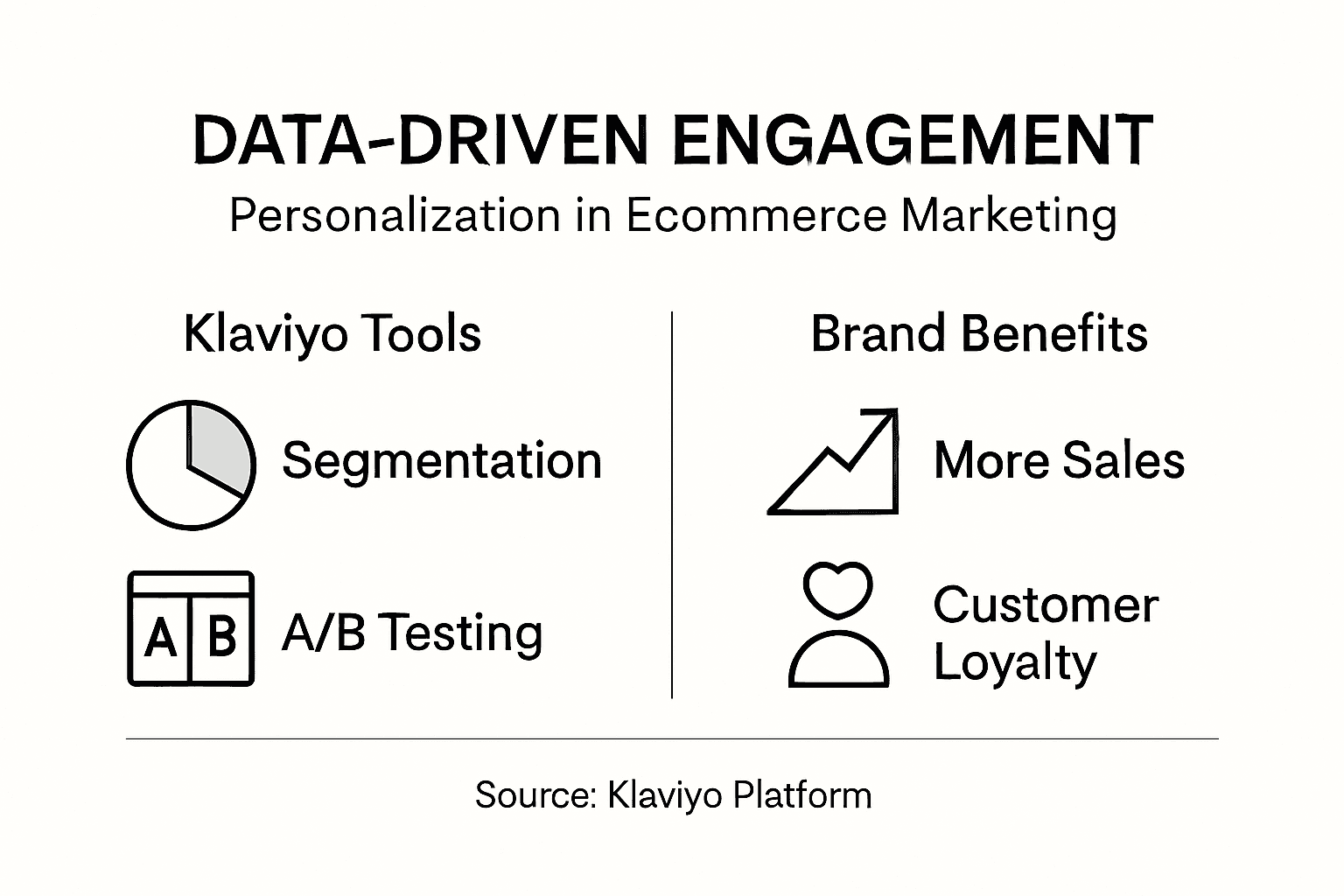
The most powerful aspect of Klaviyo’s approach is its ability to predict and proactively address customer needs. Its predictive analytics can identify potential churn risks, recommend personalized product offerings, and create intelligent communication workflows that feel individually crafted for each customer, effectively turning data into meaningful customer relationships.
Pro tip: Invest time in understanding Klaviyo’s segmentation capabilities and continuously refine your customer segments to maximize the platform’s predictive power and personalization potential.
Risks, Costs, and Common Mistakes to Avoid
Content marketing agencies face numerous strategic challenges that can undermine their effectiveness and potential return on investment. Common content strategy mistakes often emerge from poor planning, inconsistent execution, and misalignment between content creation and business objectives.
The primary risks in content marketing can be categorized into several critical areas:
- Strategic Risks:
- Lack of documented content strategy
- Insufficient audience persona development
- Poor goal alignment
- Operational Risks:
- Resource allocation inefficiencies
- Content quality inconsistencies
- Burnout and creative exhaustion
- Financial Risks:
- Unpredictable income streams
- High production costs
- Low return on content investment
Content risk management strategies require a structured approach that involves continuous assessment, diversification, and proactive mitigation. Successful agencies develop robust frameworks that anticipate potential challenges, create contingency plans, and maintain flexibility in their content production processes. This approach transforms potential risks into strategic opportunities for innovation and growth.
Mitigating these risks demands a comprehensive strategy that prioritizes quality, strategic alignment, and consistent performance tracking. Agencies must develop clear documentation, create standardized content briefs, invest in ongoing team training, and maintain a dynamic approach to content creation that can quickly adapt to changing market conditions.
Pro tip: Implement a quarterly content strategy review process that critically evaluates performance metrics, audience engagement, and alignment with broader business objectives to proactively identify and address potential risks.
Unlock the True Potential of Your Ecommerce Brand with Expert Content-Driven Email Marketing
The article highlights critical challenges ecommerce brands face in building meaningful customer relationships through strategic content creation and automation. If you aim to overcome obstacles such as inconsistent engagement or revenue unpredictability, it’s essential to embrace proven email marketing tactics like segmented flows, behavioral triggers, and personalized automation. These are the exact strategies that transform transactional emails into long-term growth engines.
At Take Action, we specialize in turning these opportunities into measurable results. By combining expertise in Klaviyo-driven automation with data-backed segmentation and storytelling, we help ecommerce brands craft email campaigns that resonate deeply and convert consistently. From welcome sequences to abandoned cart recoveries, our approach ensures every email adds value while respecting your unique brand voice and audience needs.
Ready to elevate your ecommerce marketing through content-powered email automation?
Discover tailored solutions designed to increase customer retention, maximize open rates, and recover lost sales by partnering with Take Action. Visit us today and start transforming your customer engagement strategy with expert campaign setup and long-term email marketing support.
Frequently Asked Questions
What services does a content creation marketing agency provide for ecommerce businesses?
A content creation marketing agency typically offers services such as content strategy development, brand storytelling, SEO-optimized writing, multimedia content production, performance analytics, and cross-channel content distribution to engage customers effectively.
How does a content creation marketing agency differ from traditional advertising?
Unlike traditional advertising that focuses on message interruption, a content creation marketing agency prioritizes storytelling and value creation to foster active audience engagement and build long-term relationships.
What advantages do ecommerce brands gain from using email automation?
Email automation allows ecommerce brands to create personalized, timely messaging based on customer behavior, helping to recover abandoned carts, enhance post-purchase experiences, and drive customer reengagement efficiently.
How can ecommerce brands leverage data-driven marketing strategies effectively?
Ecommerce brands can leverage data-driven marketing strategies through platforms like Klaviyo, which provides advanced analytics allowing them to create personalized communication experiences based on customer insights and engagement behaviors.
Recommended
- Content Creation Agencies: Driving Retention Growth | Take Action Blog | Take Action
- Complete Guide to Content Marketing Strategies | Take Action Blog | Take Action
- Digital Media Buying Agency Impact on Ecommerce | Take Action Blog | Take Action
- 7 Best Blog Post Formats for Ecommerce Success | Take Action Blog | Take Action